


Just like everyday renters and homeowners, Tulsa-area school districts are feeling the squeeze on utility bills. It comes at an already precarious time for public schools.
“You saw a lot on Facebook just about people’s home and personal bills being crazy,” said Natalie Eneff, chief financial officer at Broken Arrow Public Schools. “Think of that on a scale of 31 sites for a school district.”
The district’s utility bill was around $489,000 in September. In fiscal year 2020, its electric cost was around $1.26 million for the whole district. Last year, it was a little over $3 million, not simply caused by added square footage.
“And that’s just not sustainable for the long haul,” she said.
Market- and weather-driven increases are just another hurdle for districts dealing with declining birth rates, competition with private schools and declines in student enrollment that affect state funding.
The responses vary widely. Tulsa Public Schools recently voted to close 17 sites as its student body changes. Its utility costs are already up by more than 25% this year.
“Most businesses that are responding to costs like this, their response is to increase their price to their consumer. We don’t have that option,” Eneff said.
Rising rates
This summer was the seventh-hottest on record for Tulsa, and September was its hottest ever, just in time for the return to class.
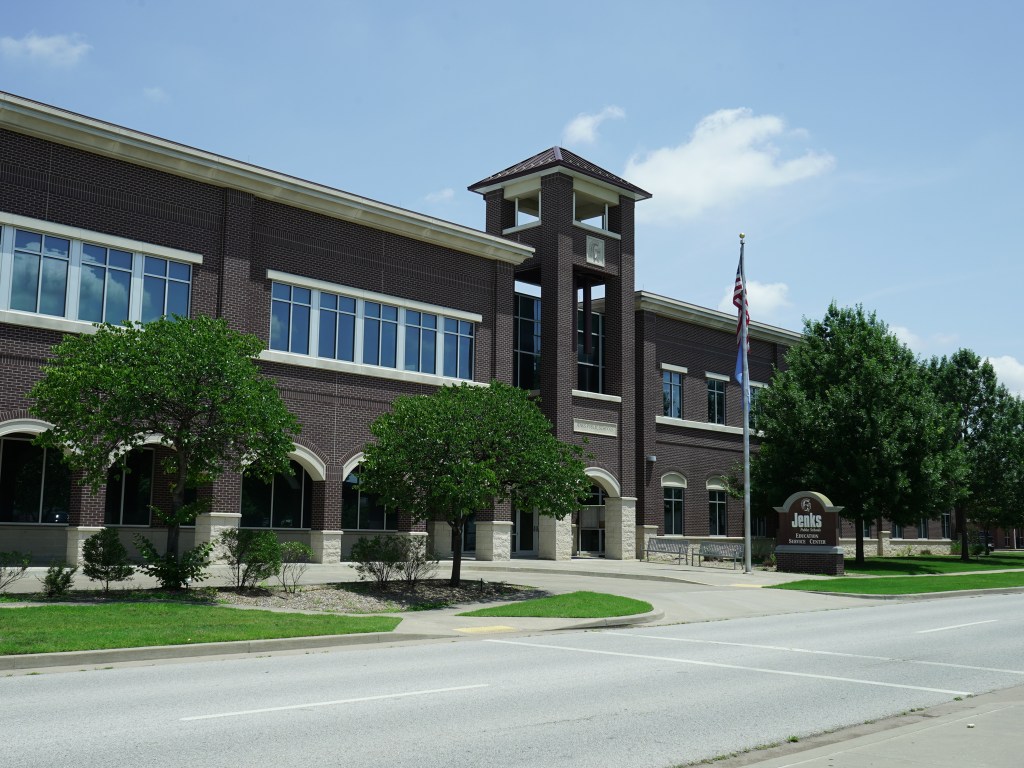
With higher usage and rising rates, utility costs at Jenks Public Schools increased by 25% compared to last year, said Chief Financial Officer Cody Way.
“We’re trying to just stretch every dollar we can. And when you’re dealing with inflation, just like we do at home as individuals, we have to deal with it,” Way said.
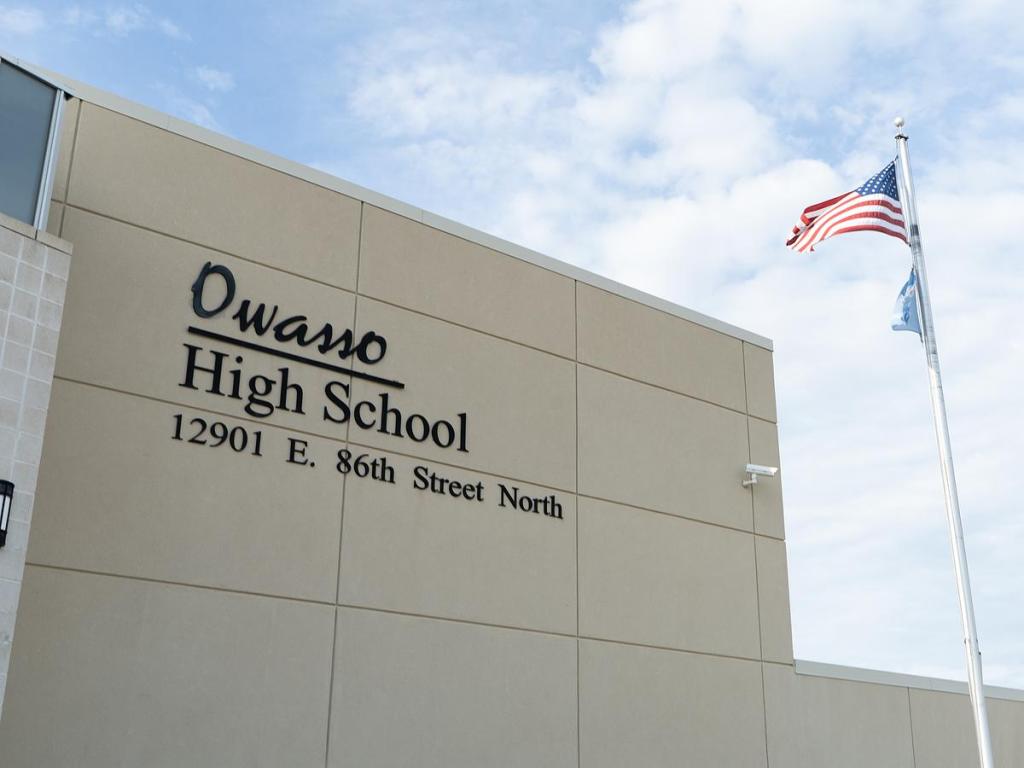
At Owasso Public Schools, the electric bill increased by 11% but the cost of diesel fuel has doubled — at least.
“We don’t have any choice about, like diesel doubling or that sort of thing, or hottest summer ever, you know, those things happen, then we just get prepared to be able (absorb) those,” said Chief Financial Officer Phillip Storm.
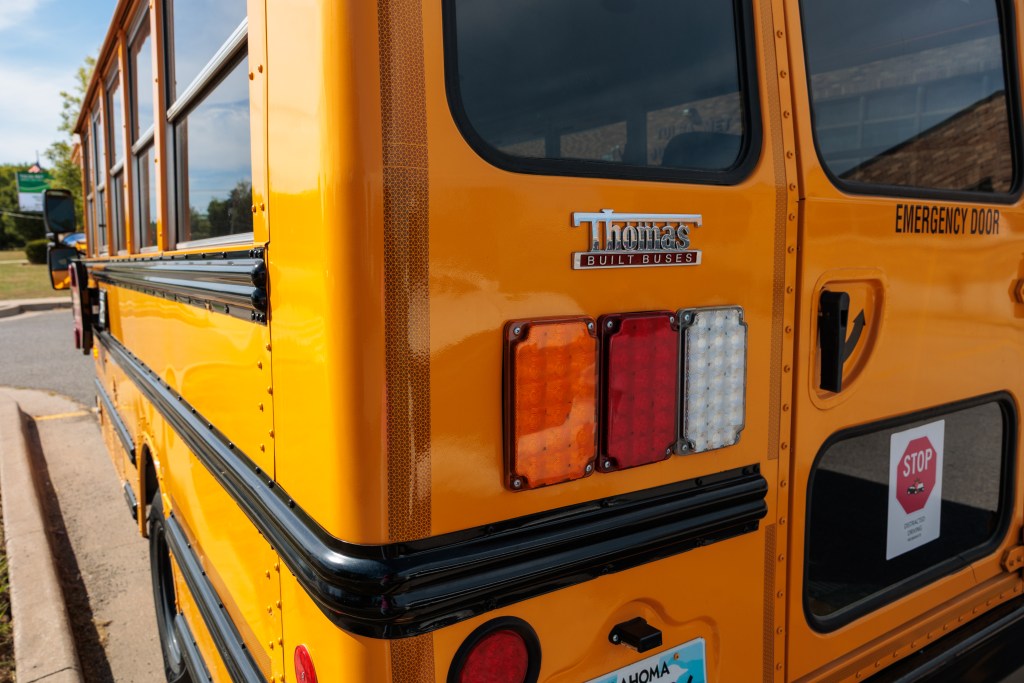
The cost of diesel fuel has “skyrocketed” at Broken Arrow, said Chief Support Services Officer Rosalyn Vann-Jackson. The district fills its fuel tanks every seven to 10 days at a typical cost of $20,000 per load. In September, that cost peaked at $58,000.
Union Public Schools Superintendent John Federline estimates utility costs have risen around 30% over the past three years. Even with budget contingencies, the “insanely high” cost of diesel adds a strain.
“Just like anybody else, you make plans, but those don’t always work out, and sometimes there are circumstances beyond our control. So what we have to really focus on is what is within our control,” Federline said.
Districts say weathering the storm requires dipping into reserve savings or readjusting, whether by programs or personnel.
Without neighborhood elementary schools and larger campuses, Way said, Jenks can operate “more efficiently” on staffing and utilities.
The district budgeted for the utility increases this year, Way added, but said they could become a pain point if Oklahomans pass State Question 847 — lowering caps for property taxes — or if state education funding shifts next session.
Owasso is leaning into its fund balance, dollars budgeted from a previous fiscal year carried over into a new school year. State and property tax revenue arrive at different times throughout the year, so districts must have carryover funds on hand to pay bills.
In 2025, the state legislature reinstated penalties for districts with an excess of carryover funds. Storm would like to see that decision reconsidered.
“I would take the opportunity to advocate for asking our legislature to remove those barriers so that we can be better prepared for economic downturns,” Storm said. ”But beyond that, it’s just a matter, as we talked about, of doing our very best, to keep our staffing ratios as effective and efficient as we can. And, I mean everyone here wants to provide excellent opportunities for our students, so we don’t want to take away programming.”
Shrinking student body
While costs rise, the statewide decline in public school enrollment is expected to continue after a drop of more than 10,000 last year. That affects per-pupil funding from the state, essential to the budgets of most school districts in Oklahoma.
The annual student count conducted Oct. 1 shows enrollment is down slightly at Jenks, Superintendent Stacey Butterfield said, but it’s nothing her team is worried about. Instead, she said, it’s allowing Jenks to look more closely at its older buildings, academic and fine arts offerings.
“The slowing growth in enrollment for us is allowing us to catch our breaths when it comes to planning for our bonds, when it comes to planning for our facilities,” Butterfield said.
Even with a different building footprint and smaller area, she empathizes with the consolidation effort at TPS.
“And I have to respect what Tulsa Public is trying to do with taking the number of schools they have and trying to rightsize the district for efficiency. It’s hard, it is,” Butterfield said. ”And they are in such a different position than we are. But yet we’re all trying to maximize the dollars we receive from the state.”
A wide range of factors make enrollment a difficult thing to predict accurately, said Storm of Owasso. The national birth rate decline and the choices families have between private, public, charter and homeschooling options are all at play.
Owasso’s enrollment dropped by around 300 students this fall. While demographic projections predicted district growth several years ago, it just hasn’t materialized.
But district leaders aren’t “too worried” about the drop — its funding will be based off of last year’s enrollment, Storm said. In a few years, Owasso plans to extend preschool classes all day, which it hopes will grow the district’s student body and bring in more funding.
For now, Owasso plans to handle the change with adjustments to staffing ratios.
“No matter which district you talk to, staffing and labor costs are your primary expense,” said Owasso Assistant Superintendent Kerwin Koerner. “Yes, electricity is expensive. Yes, diesel is expensive, but it’s nothing compared to your labor costs.”

The multi-year decline in Union’s student enrollment continued this year, said Federline. Last year’s decline pushed the district to close its Adult Learning Center in an effort to cut costs. As Union approaches a February bond package vote, Federline said it’s looking at all budgetary options.
“These are issues that aren’t solved with one major decision,” he said. “I think our approach to it is small decisions throughout the year. We look at anywhere that we can possibly save money, especially to our general fund.”
Beyond the state and local trends affecting public schools, he says a cool housing market in Union — which covers parts of Tulsa and Broken Arrow— is also driving the decrease. New development, he hopes, will cause a leveling off or uptick in those numbers.
“I live in the Union district, and all my kids have graduated from Union Public Schools, and I really like my interest rate, so I’m not going anywhere,” Federline said. “And so when you multiply that across the whole district, you know, there’s just not as many young children living in our district anymore.”
At Broken Arrow, enrollment is down by around 135 students. Birth rates in the district’s catchment area have consistently declined since 2010, but stabilized in the last year. In the next decade, the district is banking on 2,000 more students with new housing development in the city.
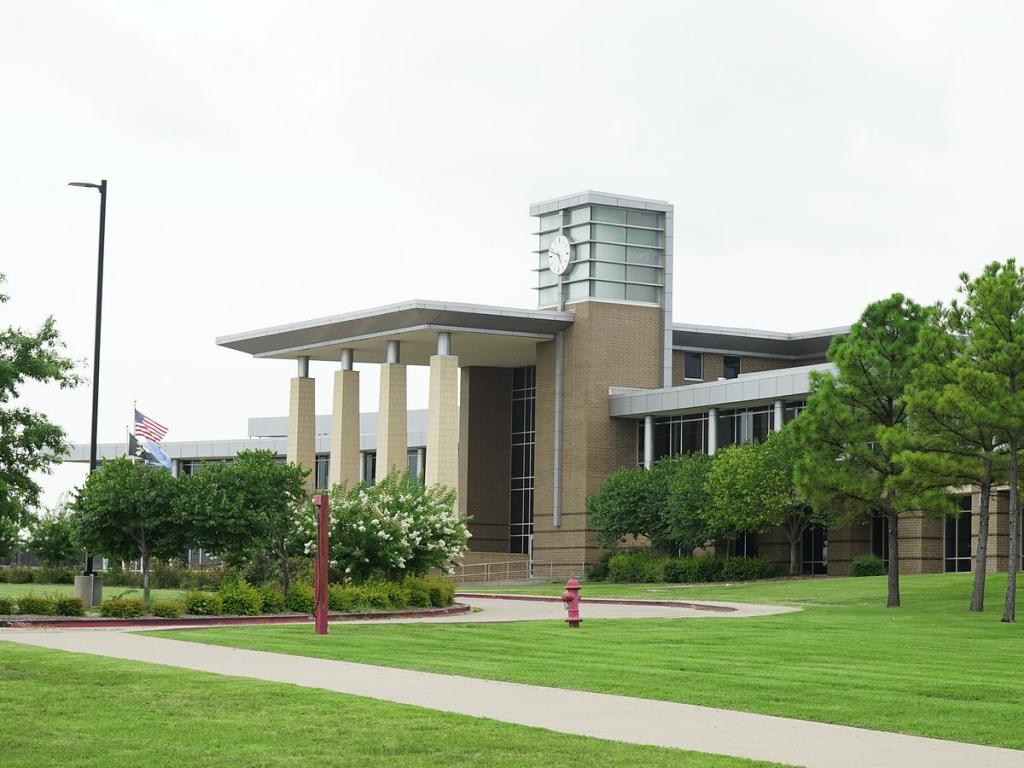
“Now those homeowners would need to have children for us to realize any impact to our enrollment,” said Vann-Jackson. “And those are things that you need a crystal ball to really understand if you can realize that enrollment gain.”
What districts need most, Eneff said, is more funding and flexibility to use it.
“There’s been a lot of focus on teacher pay raise, which is fantastic, but the next shift needs to be getting Oklahoma up to regional per-pupil spending,” she said.
Federline agrees. Oklahoma ranks 49th out of 50 states and Washington, D.C., with Idaho and Utah spending less. Increasing per-pupil funding isn’t “really that much to ask,” he said.
“Public education is a cornerstone of our democracy. It is the most expensive line item and in the state budget, as well it should be,” he said. “It should be continually invested in and upgraded to ensure the students in Oklahoma have the same or better opportunities than students anywhere else in America.”
News decisions at the Tulsa Flyer are made independently of our board members and financial supporters. Read more about our editorial independence policy here.
