


At Rosewood Elementary — a mid-sized, suburban Broken Arrow school — students are growing, testing and attending school at higher rates than the state average. Families are engaged, and only a third of its students experience poverty.
About 23 miles away, nearly all of the students at Anderson Elementary experience poverty. The Tulsa Public Schools campus faces an uphill battle with academic outcomes, high teacher absences and 80% chronic absenteeism.
Both elementaries are Title I schools, receiving thousands in federal funds to help students from low-income families succeed annually. Even though the day-to-day experience and poverty rates can dramatically differ, Title I schools are using these funds similarly.
This year, records show districts are putting these federal dollars toward increasing parent involvement, addressing staffing shortages and implementing reading interventions.
What is a Title I school?
The federal government shells out billions in Title I grants each year to help combat poverty and its impacts on education. These funds trickle down to public districts based on need. Districts distribute them directly to schools based on how many students receive free or reduced lunch through the National School Lunch Program.
Schools then decide how to use them — either for a school-wide program or targeted efforts — and must submit a plan linking the money to specific goals. That money should improve the entire school’s educational programs and add assistance for students especially at-risk.
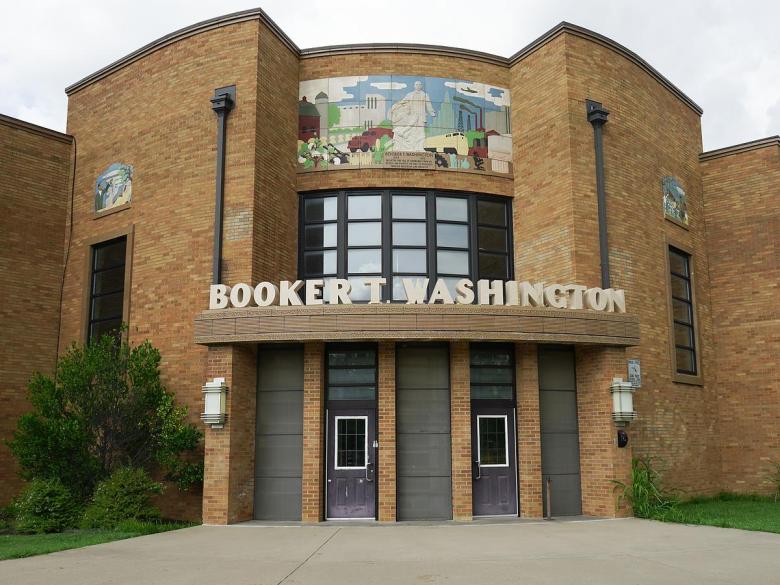
It’s not tied to academic ratings for each school, like those reflected in the Oklahoma School Report Card. An “A” school like Booker T. Washington High School and a “D” school like Burroughs Elementary can receive similar Title I support — and did, at around $195,000 this year.
TPS received more than $20 million in these grants this year to support 68 schools. Other districts, like Union and Broken Arrow, received a fraction of that money. Union has nine Title I schools. BA has 17.
The grant money is also applied to private or charter schools within the boundaries of a public district. Jenks Public Schools provides tutoring to 27 students at two non-public schools with Title I dollars.
How is the money spent?
Across Tulsa districts, schools spend the majority of their Title I dollars on staffing.
At Jenks, Title I grants pay for more than a dozen roles:
- a dozen full-time reading specialists;
- five math interventionists;
- two instructional assistants; and
- a full-time family liaison are all paid by Title I grants.
East Central Middle and High School in TPS receive $1.1 million together. That money pays the salaries of teachers, deans and parent involvement facilitators — in addition to hourly pay for tutoring and professional development.
At any TPS school with high rates of chronic absenteeism, Title I dollars must fund a full-time parent facilitator. Some, like McLain High School and Lindbergh Elementary, add an attendance facilitator too.
Most sites direct remaining money toward reading interventions and engaging more parents through events. This funding also supports students experiencing homelessness with hygiene items, tutoring or additional support across county schools.
In order to spend any of these funds, schools must assess their building needs and create a plan to engage families in improvements. Then, they plan where funds should go and annually review whether they are effective.
These reports, offering a window into each school’s priorities and challenges, are submitted each year to state and federal governments. While districts like Union and Broken Arrow make these plans publicly accessible to families, TPS does not.
Where to learn more?
Each school seeks community involvement when evaluating the impact of each Title I plan.
- At Broken Arrow, that comes through a title committee, PTA activities and family events at each site.
- At Union, that comes through quarterly Title I plan meetings, PTA activities, family events and a committee at each site.
- At TPS, that comes through an annual Title I meeting and the Safe and Healthy School committee at each site, in addition to PTA activities and family events at some sites.
News decisions at the Tulsa Flyer are made independently of our board members and financial supporters. Read more about our editorial independence policy here.
