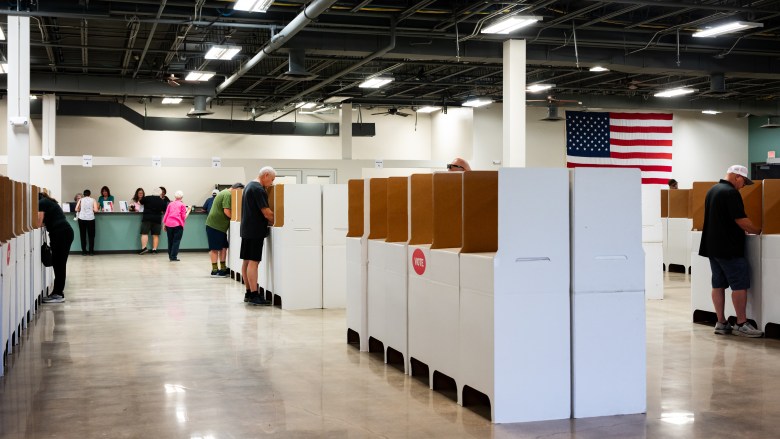
State lawmakers and advocates hope a new law taking effect Nov. 1 will clear up confusion for Oklahomans with felony convictions who have completed their sentences and want to vote.
For some formerly incarcerated people and advocates, the state statute on voting qualifications for people convicted of felonies was too complicated and dissuaded people from participating in elections.
The new law is more straightforward, clearing the way for people convicted of a felony to be eligible to register when they’ve completed their sentences, aren’t on parole and aren’t currently incarcerated.
For Tammy Franklin, it’s a welcome removal of a barrier to reentry. She was incarcerated on-and-off for over 18 years and was a major supporter of the change.
When she left prison for the last time in 2015, Franklin said she ran into what many formerly incarcerated people do: struggles to find a job and housing.
“I got lost in addiction at the age of 13 and spent my whole life in that world of not living responsible, of doing drugs, of going to prison,” Franklin told The Eagle. “I wanted so bad, when I got out, to be someone different. Not just being able to rent some place, not just being able to do a portion of it, but I wanted the whole thing.”
In 2017, she found a position working with the national nonprofit Prison Fellowship Ministries. She began talking to lawmakers in Oklahoma, Texas and Washington, D.C., lobbying for incarcerated people and their families.
But she didn’t feel like her journey of putting her life back together would be complete until she could vote.
Franklin said she found the way the previous law was written to be so confusing that she avoided registering. When a friend called the election board inquiring about it, Franklin said the agency advised her to consult with an attorney.
“People just coming out of prison don’t have the ability to get an attorney to be able to vote,” she said. “It’s just not something that’s doable for anybody.”
Her story eventually made it to state Rep. Tammy West, an Oklahoma City Republican who authored the new legislation. West hopes the clarification not only inspires more people with felonies to participate in the political process but keeps them from going back to prison.
“If they’ve served, I want people to be able to come back and have their lives restored,” she said. “Barriers that people can’t overcome lead to recidivism.”
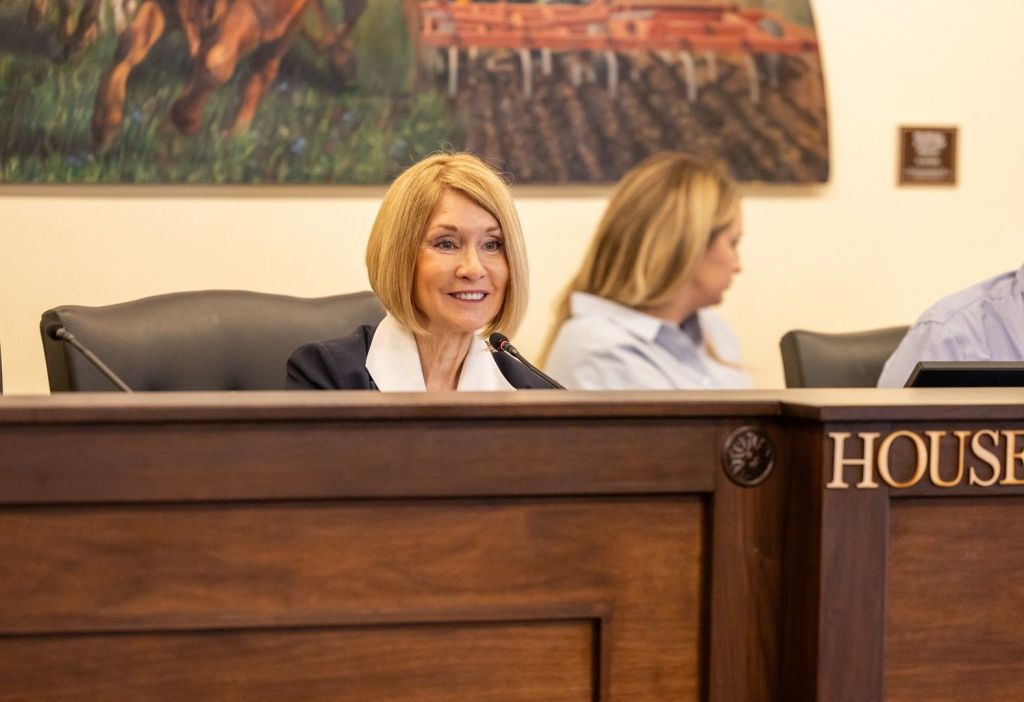
Removing barriers to re-entering society is something West is passionate about.
“I want people to be able to successfully restart their lives, have their families reunited, have careers and move on from the mistakes they’ve made,” she said.
Data compiled in Turning the Page, a research project on incarceration in Oklahoma, shows an estimated 240,000 people living in the state have a felony conviction.
State Sen. Dave Rader, a Tulsa Republican and supporter of the legislation, told The Eagle he wants formerly incarcerated people to “be good citizens and taxpayers” and “part of that is wanting to take part in the political process in the United States and being able to vote.”
“We used to say, ‘pay your dues to society.’ They’ve done that,” he continued. “So they’re trying to get back on track and want to participate in the political process, which is a fundamental right. But we don’t want to blow it just because we didn’t understand completely what the rules were.”
The new law also clarifies people who have received a commutation or pardon get their right to vote back. Previous language required people to “complete their full, court-mandated sentence before restoring their voting rights.” That left people — like the hundreds who had their sentences commuted in 2019 — unable to participate in elections.
As Franklin reflected on the change she helped make, she said what she’s learned in this process is “even with criminal history, our voices still matter.”
“I was able to take that and share it with my kids, my grandkids saying, ‘You know, we really can make a difference,’” she said.
The last day to register to vote in the Nov. 3 election, which will feature federal and state races as well as a runoff for Tulsa City Council District 1, is Oct. 9.