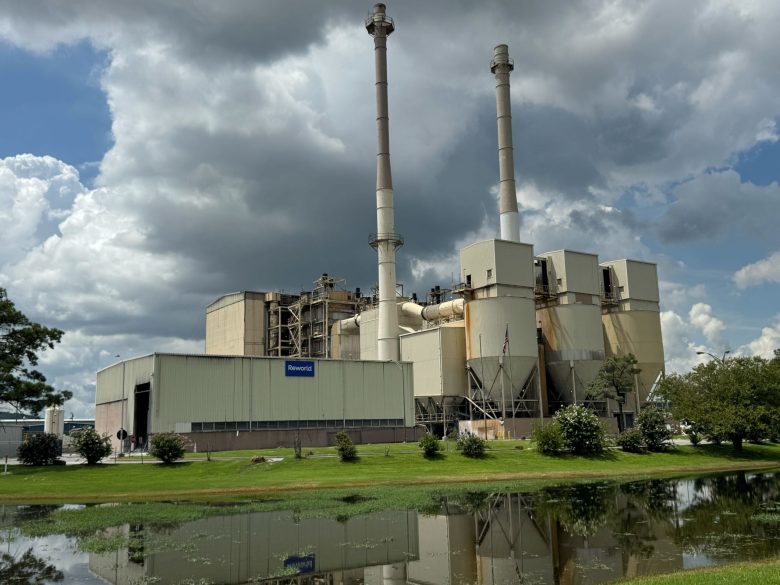
An attempt to increase emission monitoring for trash incinerators in Oklahoma died in a House committee Wednesday, despite public concerns over Reworld Tulsa’s pending permit to burn regulated medical waste.
Reworld, located at 2122 S. Yukon Ave., applied to the Oklahoma Department of Environmental Quality in June 2024 to gain authorization to burn 41,000 tons of medical waste per year, in addition to solid waste from the city.
Rep. Meloyde Blancett, D-Tulsa, was among the residents who spoke against ODEQ approval during a public meeting last fall.
The bill, authored by Blancett in the House and Republican Casey Murdock in the Senate, would have required companies like Reworld to adhere to federal standards related to medical waste incinerators rather than less stringent requirements for municipal solid waste.
“Reworld is attempting to transform a 40-plus year-old municipal trash incinerator into the largest regulated medical waste incinerator in the United States,” Blancett said. “This is not a minor operational tweak — it is a fundamental change in the type, toxicity and risk profile of the waste stream.”
An attempt to increase emission monitoring for trash incinerators in Oklahoma died in a House committee Wednesday, despite public concerns over Reworld Tulsa’s pending permit to burn regulated medical waste.
Reworld, located at 2122 S. Yukon Ave., applied to the Oklahoma Department of Environmental Quality in June 2024 to gain authorization to burn 41,000 tons of medical waste per year, in addition to solid waste from the city.
Rep. Meloyde Blancett, D-Tulsa, was among the residents who spoke against ODEQ approval during a public meeting last fall.
The bill, authored by Blancett in the House and Republican Casey Murdock in the Senate, would have required companies like Reworld to adhere to federal standards related to medical waste incinerators rather than less stringent requirements for municipal solid waste.
“Reworld is attempting to transform a 40-plus year-old municipal trash incinerator into the largest regulated medical waste incinerator in the United States,” Blancett said. “This is not a minor operational tweak — it is a fundamental change in the type, toxicity and risk profile of the waste stream.”
The air emissions from medical waste, she said, are associated with cancer, respiratory illness, neurological harm and long-term environmental contamination and harm.
“That is precisely why federal regulations impose more stringent standards on medical waste incinerators than on municipal trash burners,” Blancett said.
In a written statement, Reworld said processing non-hazardous regulated medical waste does not have an impact on emissions based on analysis of their past operations with other facilities across the country.
“Our permit applications have undergone extensive regulatory review,” the statement reads. “The (Environmental Protection Agency) has already reviewed the permit. The plant will remain protective of human health and the environment.”
ODEQ has not yet approved Reworld’s permits, according to spokesperson Skylar McElhaney.