The operator of a long-time waste treatment facility in Tulsa is in the hot seat over plans to burn medical waste.
Reworld Tulsa, formerly Covanta, has burned Tulsa’s residential trash since 1986. But some Tulsans are skeptical of — and others are outright opposed to — the company’s request to burn higher levels of industrial and regulated medical waste at the west Tulsa facility.
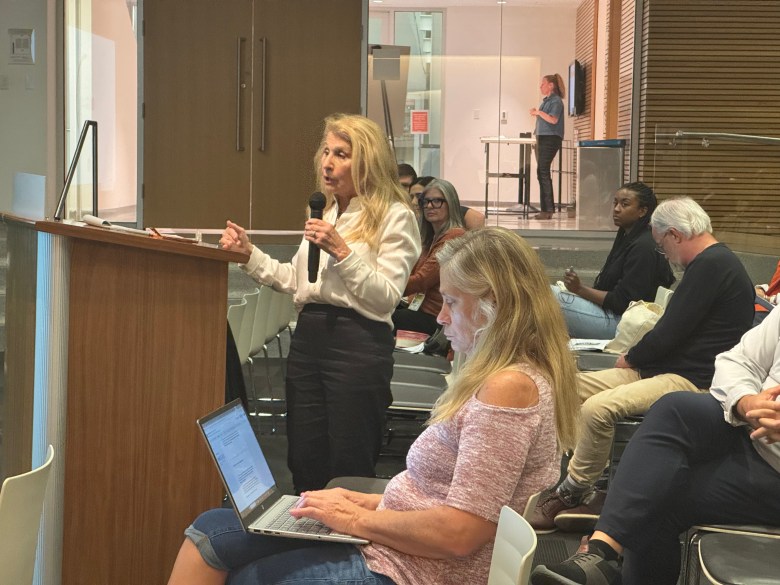
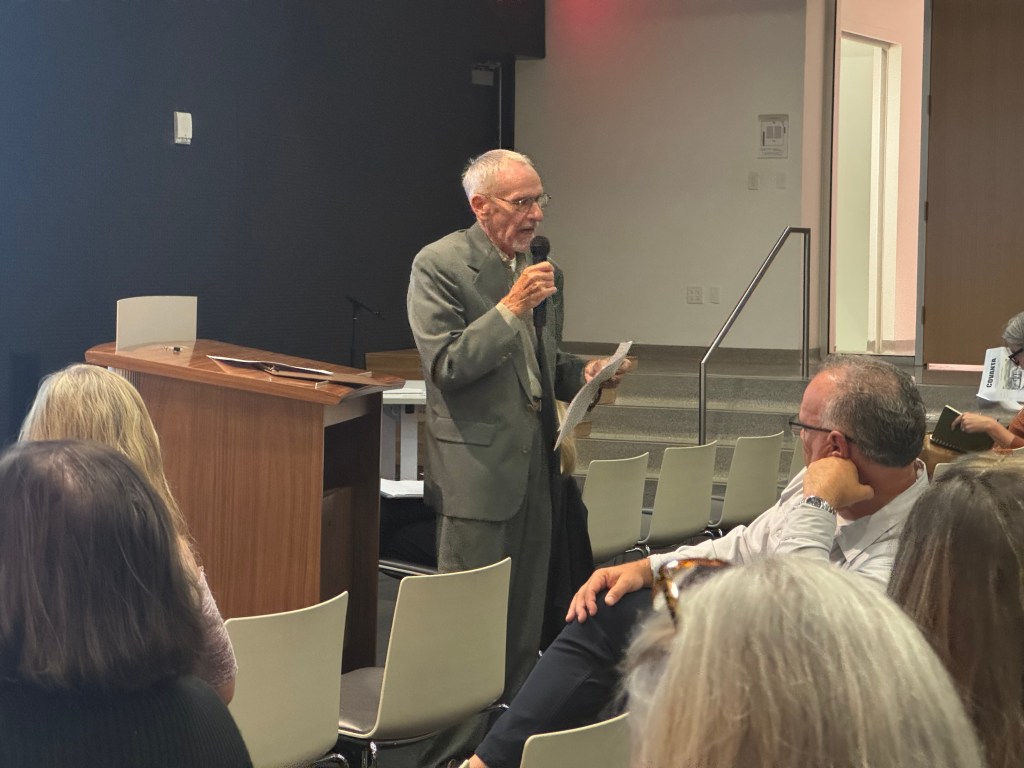
About 35 residents attended a public hearing Thursday with the Oklahoma Department of Environmental Quality, which oversees the facility’s permitting. They asked for more information about emissions from incinerating medical waste and what impacts to air quality or health dangers could follow.
Tulsa resident Rick Martin has closely followed Reworld’s permit requests. He believes the company is changing its mix of waste to a ratio of about 70% industrial waste to 30% municipal waste, based on his review of the company’s permits and city contracts.
Speaking directly to Phil Fielder, an engineering manager of the Oklahoma Department of Environmental Quality, Martin asked, “Did you decide that for the people of Tulsa? Because if you burn 70% of this industrial garbage and medical waste, you’re going to get different s— coming out of those smoke stacks.”
State Rep. Melodye Blancett, D-Tulsa, asked the state agency to follow up with her personally to confirm or correct Martin’s calculations.
“I would also like some additional information about the regulatory loop that was discussed here this evening between municipal waste and medical waste,” said Blancett. “We need to get a better handle on what the regulatory requirements are.”
Blancett, who lives not far from the facility near West 21st Street and South Yukon Avenue, also asked a dozen questions ranging from notification procedures to requirements on addressing Tulsa’s air quality challenges.
“I am super disappointed with the really lax notification process on this project, and the fact that I am two miles from this facility and received zero notification is very concerning to me,” said Blancett.
While residents asked their questions at the meeting, they didn’t get answers. Officials with the state agency collected questions with plans to provide written responses later.
According to a statement from Reworld, the Tulsa plant is 99% below federal emission standards based on annual averages and 99.93% compliant with continuous emissions monitoring standards.
However, Oklahoma Watch reports the company was found in violation of environmental laws in several states, not including Oklahoma, earlier this year and forced to pay $1 million in penalties.
Reworld has two pending permit requests in Tulsa. The first is a renewal of its air quality permit, which is required every five years and allows the facility to continue operating as is. The second is a request to modify Reworld’s solid waste permit, allowing the facility to burn up to 40,000 tons of regulated, non-hazardous medical waste per year. A public hearing was held on that permit in July.
Residents who spoke at Thursday’s hearing said they are not getting adequate answers and they have serious concerns, leading them to oppose the air quality permit renewal.
Kay Breeden, a resident in Tulsa’s midtown Maple Ridge neighborhood and a former employee of the Environmental Protection Agency, told the state agency to push the envelope with Reworld.
“Find the provisions that say they need to protect human health in the environment, and they need to justify and explain and demonstrate why that is the case,” said Breeden. “They have not done that yet. Bring in an outside air expert. I know the air regs are horrible … and our people here don’t have a lot of experience in air regulations.”
Skylar McElhaney, spokeswoman for the Oklahoma Department of Environmental Quality, clarified that both permits must be approved for Reworld to burn regulated medical waste.
“Reworld currently accepts municipal and non-hazardous industrial solid waste,” said McElhaney. “While the air quality permit was previously modified to allow regulated medical waste to be incinerated, the facility cannot accept regulated medical waste until the solid waste permit modification is approved.”
If the regulated medical waste modification is approved, Reworld will accept:
- surgical waste, such as gloves, gowns, sponges, tubes and surgical equipment
- used and unused sharps
- small sample vials or used bandages and gauze
- renal dialysis waste (tubes and bags) and small tissue waste from laboratory procedures like slides and petri dishes
- trace chemotherapy waste from bedding, tubes, IV bag, gowns
- non-hazardous pharmaceutical waste such as vials, IV bags, tubes
- expired vaccines
Reworld will not accept human fetal tissue, human remains, bulk chemotherapeutic or radioactive waste, EPA hazardous pharmaceuticals or other waste defined by federal law.
Public comments will be accepted online until the end of day Oct. 31. The agency must provide a response within 90 days, with no immediate deadline to decide on Reworld’s permit requests.