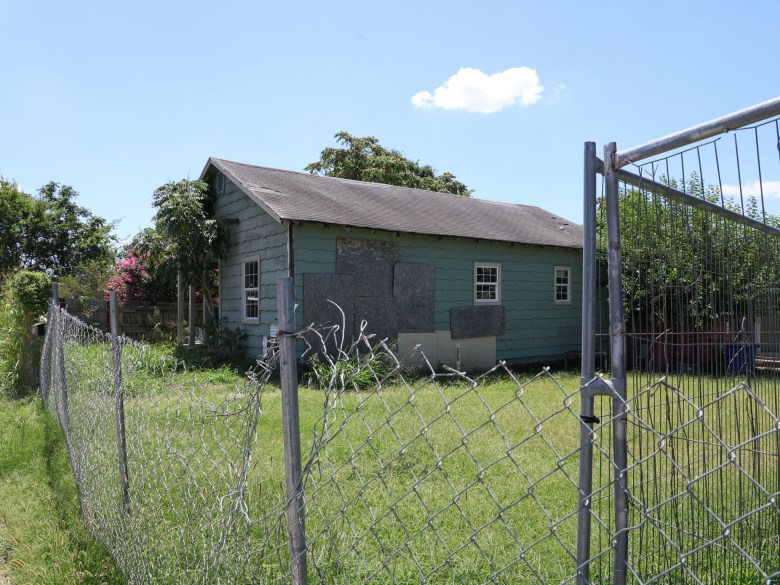
Two developers are breathing new life into the century-old Crutchfield District in north Tulsa. They’re planning to build more than 600 housing units in the next few years.
As Tulsa works to fill its housing gap and add 13,000 units by 2030, these two developments will help the city reach its goal by offering a majority of units below market rate.
Stuart McDaniel believes Crutchfield is the last untapped area close to downtown. As the founder of real estate development company GuRuStu, McDaniel’s mission is to revitalize neglected urban communities in order to maximize benefits for the community. He’s bought 300 properties in the area.
“More people paying taxes, more people working jobs within the inner city, more people supporting the school district, more parents participating in the homeroom, moms and dads and the PTAs of the schools for this area — we need that,” McDaniel told The Oklahoma Eagle.
Crutchfield residents launched a project to clean up blight and abandoned houses in 1998. Six years later, they created a revitalization master plan that earned city approval. That plan had been shelved for 15 years until McDaniel initiated an update that was completed in 2019.
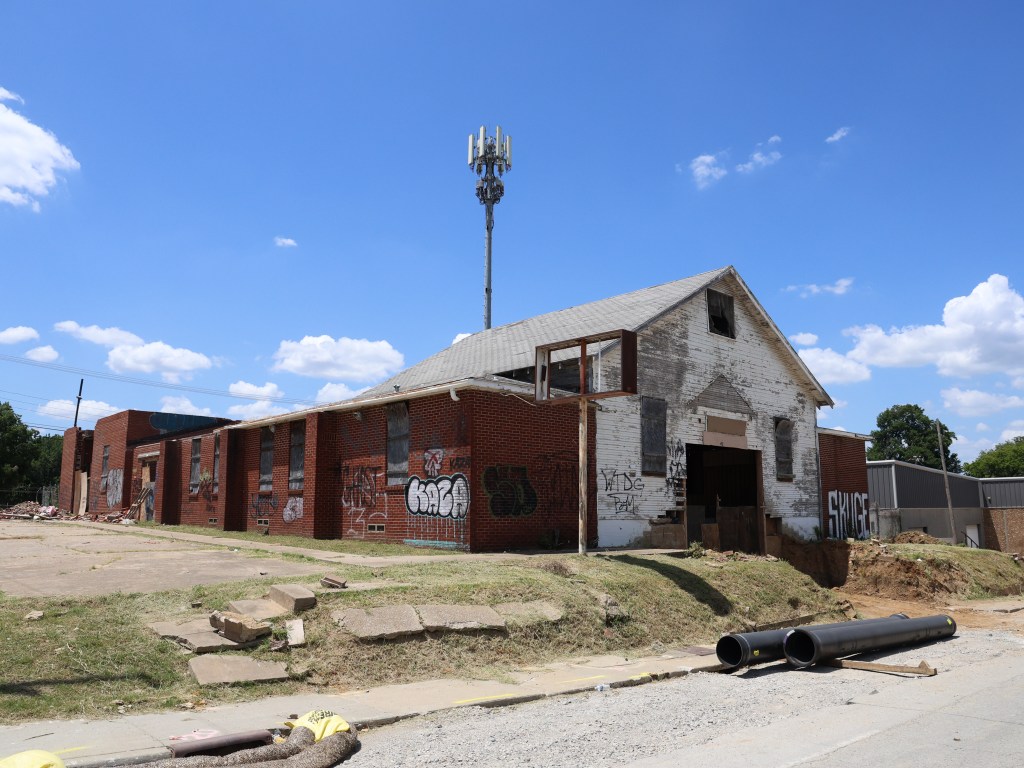
To kickstart the redevelopment, he advocated for a Tax Increment Financing District (TIF) to help fund public infrastructure. The special districts capture revenue from property tax increases in a specific area and use it to pay for the costs of new development.
The Crutchfield TIF is expected to generate $90 million in revenue over the next 25 years to spur community development.
Green Country Habitat for Humanity is also relying on the TIF to redevelop 20 acres in the district.
Executive director Cameron Walker told The Eagle its sister construction company, Boomtown Development, purchased the land in Crutchfield two years ago to create Utica Crossing. Renderings show greenspace, housing, retail, an amphitheater and more filling the 20-acre plot.
“(The TIF) is an important tool for us,” Walker said. “We will act as a general contractor installing all of the horizontal infrastructure, so roads, streets and sewers — all of that.”
Habitat previously built homes in the Kendall Whittier District adjacent to Crutchfield.
“We just want to come alongside and try to do our part, and breathe some new life into the community,” Walker said. “Especially since we’re a nonprofit, we can take risks where private developers can’t.”
Erran Persley, who serves as the city’s economic development director, said current property owners will not pay higher taxes into the TIF. Their property values may increase as a result of new development, which also could assist them in receiving grants and loans for renovation, he said.
“It’s a rising tide that lifts all ships in the area,” Persley said. “Even if you’re not directly part of the TIF, you’re getting the value from the work that’s being done. You’re going to be adding a lot of new, nice workforce and affordable housing to that area that’s going to bring the area up in terms of aesthetics and revenue.”
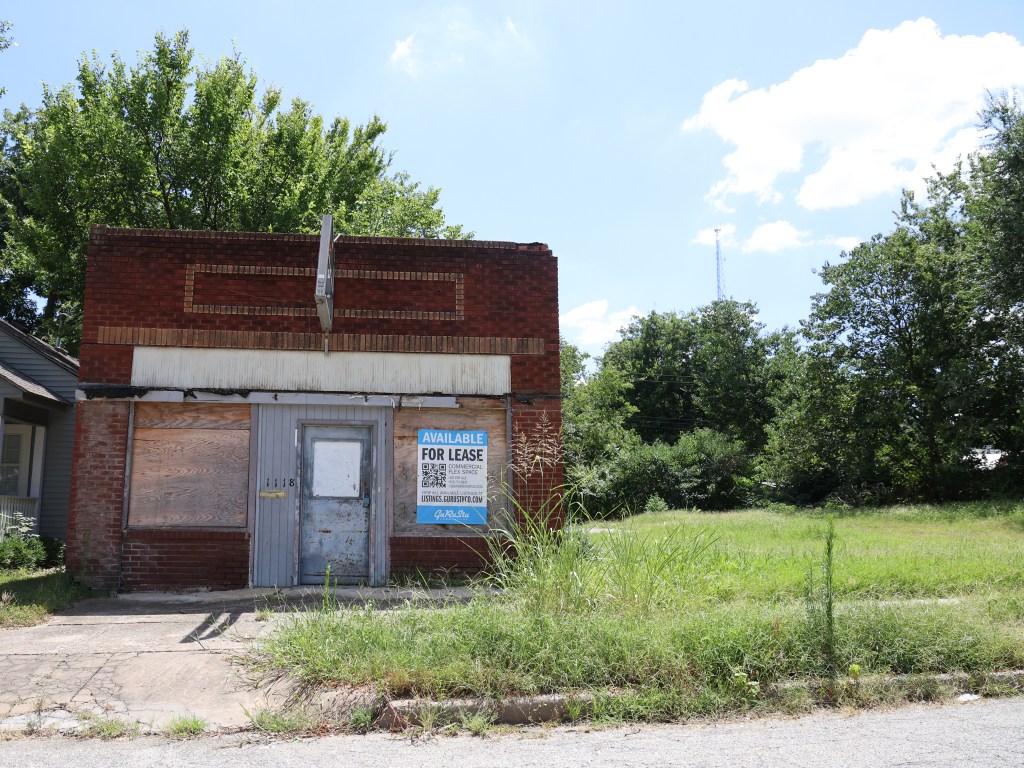
District 1 Councilor Vanesa Hall-Harper, who represents the Crutchfield neighborhood, says she also supports the financing tool.
“Ultimately we want safe neighborhoods that have affordable housing where homeowners can age in place and young adults move in,” she said. Hall-Harper hopes the construction creates a place where “you can walk to a corner store” and where “there are entrepreneurial opportunities and more rooftops for small businesses to thrive.”
Habitat plans to break ground in the spring to build 326 housing units. The redevelopment will come in phases, with completion estimated for 2029.
It will include a combination of rental and owner-occupied mixed-income housing units, divided into three different income bands.
McDaniel said rehab work on existing properties continues while his first development to break ground will be Amy Terrace, a 48-unit apartment building on Admiral Boulevard. It will feature units for three levels of tenants, including seniors, special needs and market rates.
Editor’s note: This story has been corrected to show Habitat plans to build 326 housing units, (not 626).