Lynda Chaplin has seen a lot of change in north Tulsa’s Northgate neighborhood over nearly six decades. But with the community staring down potential school closures, the 76-year-old is wondering what comes next.
She has seen the once-bustling Northland Shopping Center lose anchor tenants like JCPenney and Zales, where her husband purchased her wedding ring.
“We had all that stuff out here,” she said. “But then it just all of a sudden left. It’s crazy.”
Chaplin can’t remember when exactly the exodus started, but she said “once one store left, it was like they were fleeing the area.” Now, with Tulsa Public Schools releasing its list of 17 sites facing potential closure, she doesn’t want a repeat of what killed retail in the area.
The threat of losing schools
Chaplin, like thousands of residents around the city, are facing Tulsa Public Schools’ proposal to close or consolidate 17 schools — eight in north Tulsa — and weighing the potential fallout from the looming decision. The TPS board expects to vote Monday on the district’s proposal to cut $12 million from its operating deficit. Any approved closures wouldn’t go into effect until the 2027-28 school year.
Nationally, school closures have disproportionately affected Black student populations for decades, a trend researchers say has continued post-pandemic. Research in Texas has shown that closures carry long-lasting impacts for academic outcomes and behavioral issues, especially for low-income or Hispanic students.
At one of six community meetings about proposed closures in early October, TPS Superintendent Ebony Johnson told a north Tulsa crowd her closure recommendations were not made based on the city’s regions. Instead, there is simply a higher density of schools on the northside.
“We have already conducted school closures in the past and there’s always the question of ‘Why choose schools in my community?’” Johnson said. “So it seems and it feels like, ‘Oh my gosh, there’s a lot of schools (closing) in north Tulsa,’ when in actuality, there are more schools in north Tulsa and they’re closer together.”
When figuring out what buildings to shut down, Johnson said enrollment and site capacity were primary decisionmakers. Other factors helped TPS decide between small schools, she said, including walkability of the surrounding neighborhood, access to transportation and development in the area.

Chaplin wants to see TPS invest more into north Tulsa’s schools, not close them. She also wonders if closing these locations might make things more difficult for parents who don’t have transportation. According to the city’s 2025 equality indicators, the number of Black households without access to a vehicle is nearly four times greater than white households.
“Some parents may have transportation and some parents may not. Even with the bus stops, how close are they going to be?” she said. Transportation details are still in the works, according to the district.
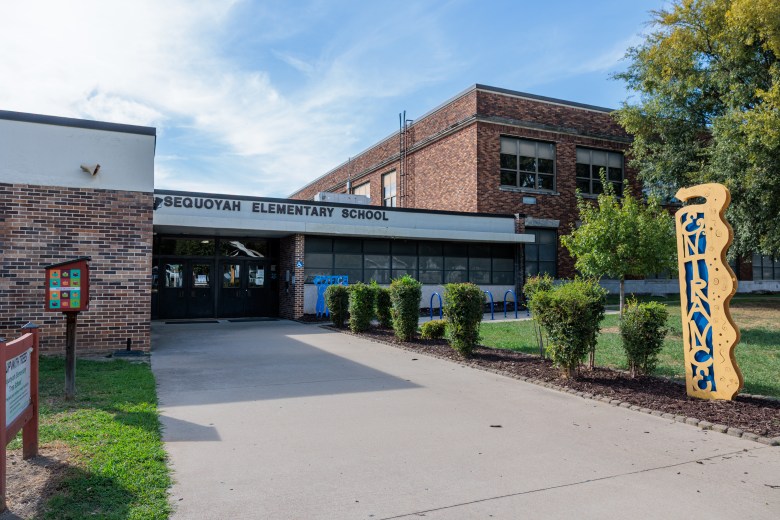
That’s a concern for Oti-Lisa Brown, too. She lives just down the street from Sequoyah Elementary and one of her granddaughters attends Greenwood Leadership Academy. Both sites are among the campuses facing an unsure future.
Brown has nine kids, ages 16 to 27, and at one point coordinated attendance between five different schools at once. Seeing the schools on TPS’ list struck an emotional chord.
“I try not to fall into what my parents warned me about, my ancestors warned me about — that they’re trying to destroy north Tulsa,” Brown said.
Her son made the switch to Tulsa MET after years of behavioral challenges at Central High resulting in recurrent suspensions. The pivot came with new accommodations, like a “delay pass” that keeps him in class five minutes longer than other students, limiting overstimulating distractions in the hallways.
The campus is now up for closure. He’ll be a senior next year, but if MET closes, he may apply for a transfer or return to Central, where Brown worries he’ll struggle once more.
“This is just a different form of 1921,” she said, referencing the Tulsa Race Massacre in which a white mob destroyed Black business and development in the Greenwood District. “In 1921, they dropped bombs in north Tulsa. Now they’re closing schools.”

Lingering legacy of north Tulsa integration
Joyce Brown leads Tulsa’s “Black Legacy” neighborhood association, which is near Booker T. Washington High School and Anderson Elementary. She grew up in the community and says “there are too many schools” today and not enough students choosing to attend them.
“I appreciate the current superintendent for recognizing the situation,” Joyce Brown said. She’s in support of the school closure plan. “Sometimes you have to pivot, or pause and reset. And that’s just the reality of where we are, not only in the country, but at the state level, and at the city level.”
She remembers TPS schools when they were bustling and segregated, walking with other neighborhood kids to Ralph J. Bunche Elementary before she went to Marian Anderson for middle school. Both buildings were named for prominent African American figures.
Like many other Black students, she said she was “forcefully bused” to Hamilton Junior High as part of the district’s 1970s integration efforts, which led to several rounds of building closures throughout the decade.
“We all went to the segregation-era schools, they were a powerhouse for our community,” she said. But she said with integration, schools’ roles in the north Tulsa community have been diminished.
As TPS considers moving Felicitas Mendez International School out of the Bunche building and into Anderson, to accommodate the growth of the dual language magnet program, Joyce Brown wants to see the neighborhood’s Black history preserved.
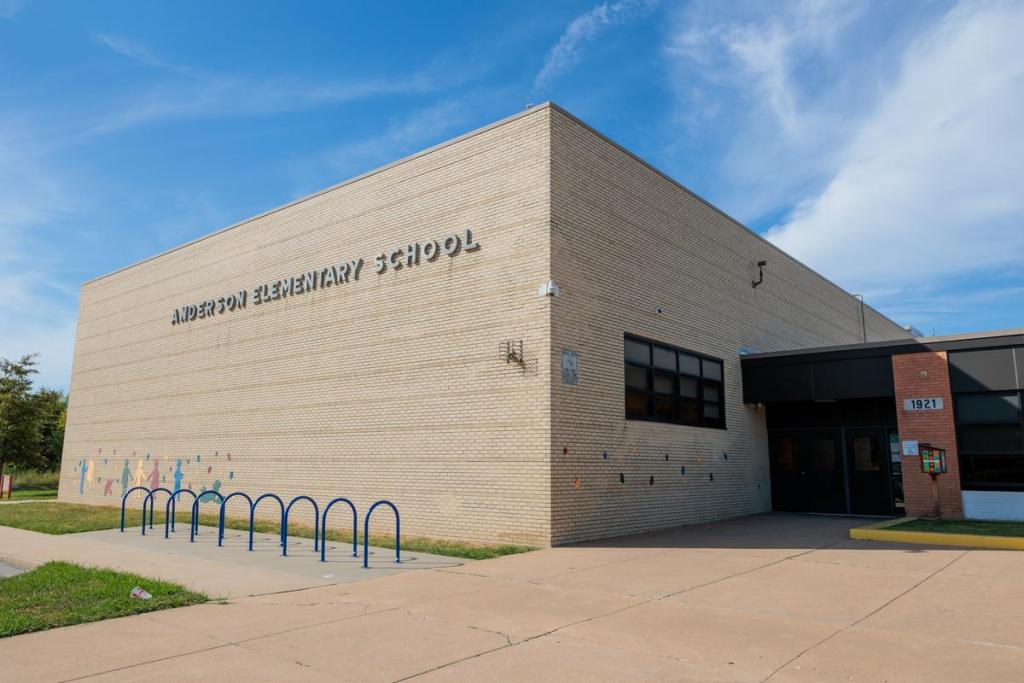
“And the reality is, Felicitas Mendez International needs to go somewhere else,” she said about the district’s plans to move Anderson students to a new site as a result. “They need to go somewhere else, be centrally located so they can have that central population.”
Johnson has repeatedly said closing schools would allow TPS to provide more equity to students, with consistent access to trained educators and arts and technical programming across the district.
Darryl Bright, founder of the north Tulsa-based advocacy group Citizens United for A Better Educational System, is unsure TPS will make good on that promise. Bright’s organization originated in protest of closing schools due to integration mandates in the 1970s and a shrinking student population.
“From their own data, we are still not making the kind of progress in teaching and learning for too many of our African American children, for our children of color, (for) too many working class folks,” he said. “And closures are not gonna answer it. But here you go, being painted in a corner.”
“The (district’s) solutions are historic, they’re generational, they’ve been used time and time again, since we’ve been in existence,” he said. “When we come back a year and a half later, we’re still getting the same results.”
Competition from charters, private schools
Several of the district’s smallest schools on the northside are currently untouched by the district’s proposal, in part due to the growth of charter and private options.
New housing developments in the 36th Street North area helped spare sites like Walt Whitman Elementary, Johnson said, but so did demand for the TPS properties.
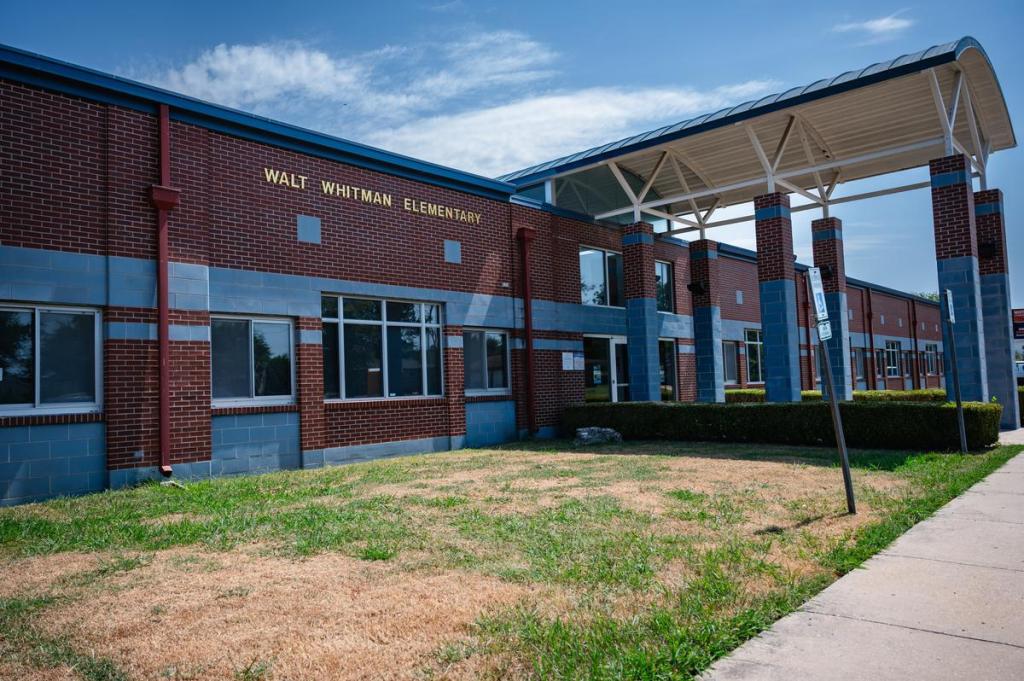
“I got some input and insight that there are some private/charter/people that are in this community who are already ready to then say, ‘I’ll take Hawthorne, if not Hawthorne I’ll take Whitman,’” Johnson said. “And we’re not interested at all. We’ll actually take Hawthorne. We’ll take Whitman and we want to grow our own numbers.”
Darick Morton, a former McLain High School teacher, doesn’t think public and private schools should be at war with each other, especially in north Tulsa.
“I love public education,” he said. “I’m not for public or private, I’m for the kids.”
If the board approves the proposal, shuttered buildings could be sold as surplus property. While the district has already sold several surplus sites to charter schools, Johnson has suggested any closed buildings going forward be repurposed to address issues with food insecurity, housing or childcare.
Morton’s proposal is Excellence Academy, an independent, private, Christian school he founded and plans to open next year.
“We don’t have enough schools in north Tulsa for our parents to choose,” he said.
He wants north Tulsa families to take advantage of the state’s Parental Choice Tax Credit and the Education Freedom Tax Credit to attend schools like his. As of October, Morton’s school is not listed as a participating accredited school with the state tax commission, meaning families cannot receive tax credits for its tuition.
“It just breaks my heart,” Morton said. “I wish there was a magic bullet to fix everything educationally so that our kids and our families would be better, but it’s not. And I think that this is a perfect time for us to not just talk about closing buildings and balancing budgets.”