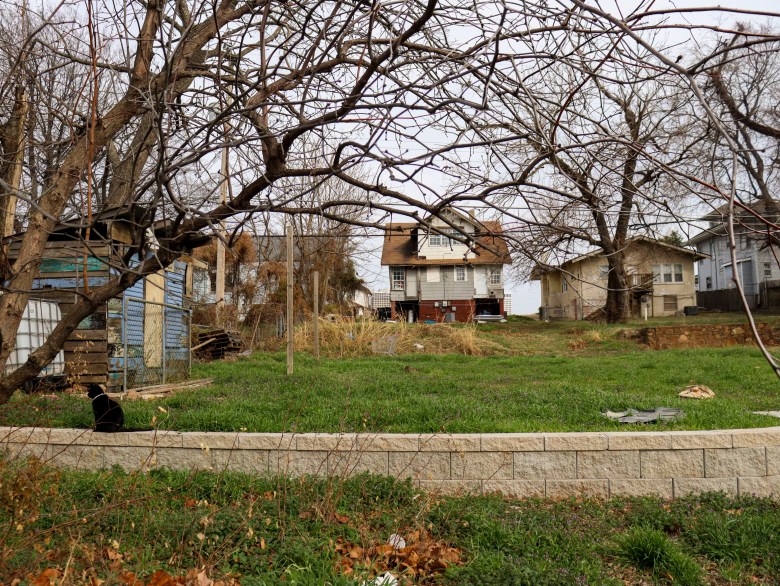
Tulsa officials say expanding its Neighborhood Infill Overlay across Districts 1 and 3 — which cover the north and eastern parts of the city — will make it easier for developers to build homes on vacant lots and diversify the type of housing that can be built in existing neighborhoods.
Still, some residents are concerned the policy might cause more harm than benefit.
Nathan Foster, a principal planner with the city, said the NIO is a two-pronged proposal.
- The policy allows for more housing types like duplexes, townhomes, garage apartments, and small apartment buildings. No more than six units can be on the same lot.
- It will amend zoning codes related to minimum lot size and width, street frontage and minimum setbacks.
The NIO first went into effect in 2021 and currently covers several neighborhoods near downtown. City Councilors Vanessa Hall-Harper and Jackie Dutton have lobbied in support for the proposed expansion.
“It would give more opportunity to fill in vacant lots that exist within neighborhoods today,” Foster told a small group gathered at Sequoyah Hills Baptist Church, not far from the intersection of Harvard and Admiral, on Thursday. “A lot of those vacant lots have over time become chronic nuisance properties.”

“This is providing additional incentive and opportunity for those lots to actually be activated and for housing to be built on them and to contribute to the neighborhood rather than continuing to detract,” he continued.
But Laura Woods, a 36-year-long resident of the Sequoyah neighborhood, told The Eagle she’s still unsure about the proposal. She said the infill expansion proposal has “caught the whole community off guard.”
The July 30 community meeting was the last in a series of town halls hosted by Dutton and Hall-Harper to give residents the opportunity to learn more about the proposal.
Mayor Monroe Nichols campaigned on a goal of creating 6,000 new housing units during his first term. Foster said expanding the proposal will “allow additional housing to be built while still respecting the standards that are in place” within neighborhoods.


The Tulsa Planning Commission recommended approval of the expansion proposal in May. The city council will take the proposal up for a vote at a later date.
Residents can use this City of Tulsa map to check if their home falls within the boundaries of the expansion. Those with questions and concerns can continue to contact their councilors or staff at the planning department to learn more about how the proposal might impact their community.