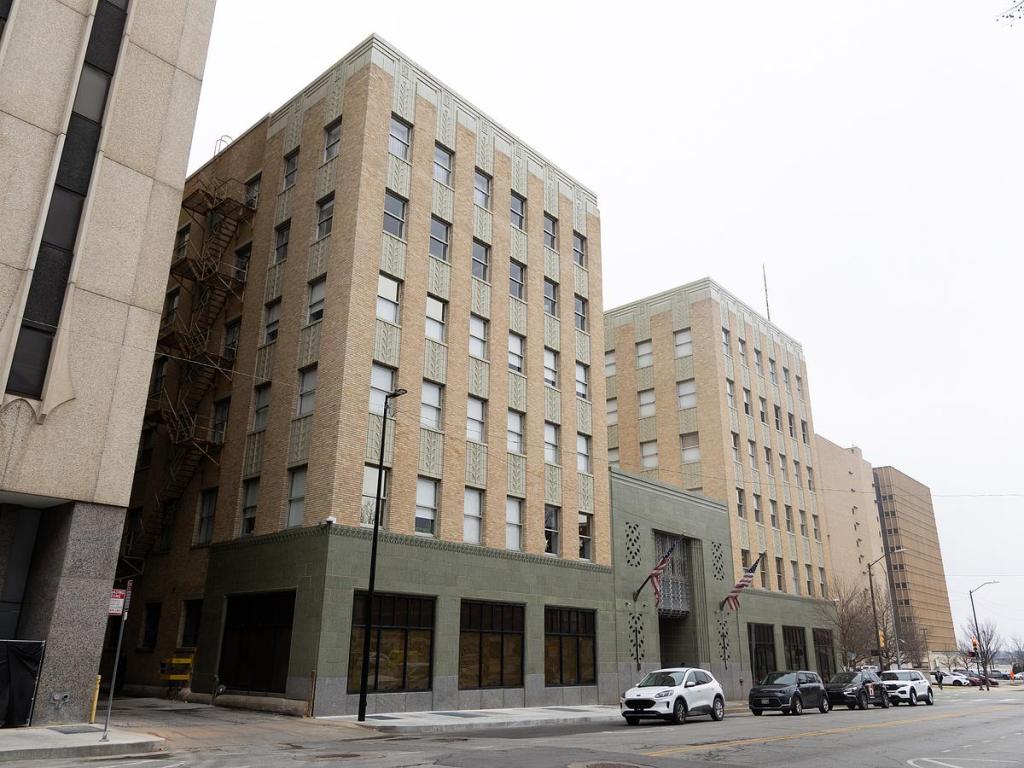
Where Denver Avenue abuts the Inner Dispersal Loop in downtown Tulsa lies the former location of one of the area’s last full-service grocery stores — a Homeland that closed in the early 2000s.
Its demise was part of the company’s nationwide reorganization plan, but the closure had a distinctly local impact. Downtown residents were left without a nutritious grocery option, effectively making the area a food desert. That’s typically defined as an area where residents have little access to nutritious and affordable food options.
Downtown isn’t the only area struggling with the problem. Nearly 1 in 5 Tulsa County residents live in a food desert and 45% live in low-access areas, which is especially a threat to seniors and children with nutrition deficiencies.
People living in Tulsa’s food deserts have as high as a 10-year lower life expectancy compared to those with ample food access.
“Our city is just really sprawling. We have real transportation access issues. And so for a lot of people, they just ended up in a food desert without access to affordable food and groceries,” City Councilor Laura Bellis, whose district includes a portion of downtown, said.
But times are changing, and new grocery stores — including some non-traditional options — are having a moment.
Oasis Fresh Market plans to open a full-service store downtown at the ARCO apartment building in June, adding to its existing stores in north and south Tulsa.
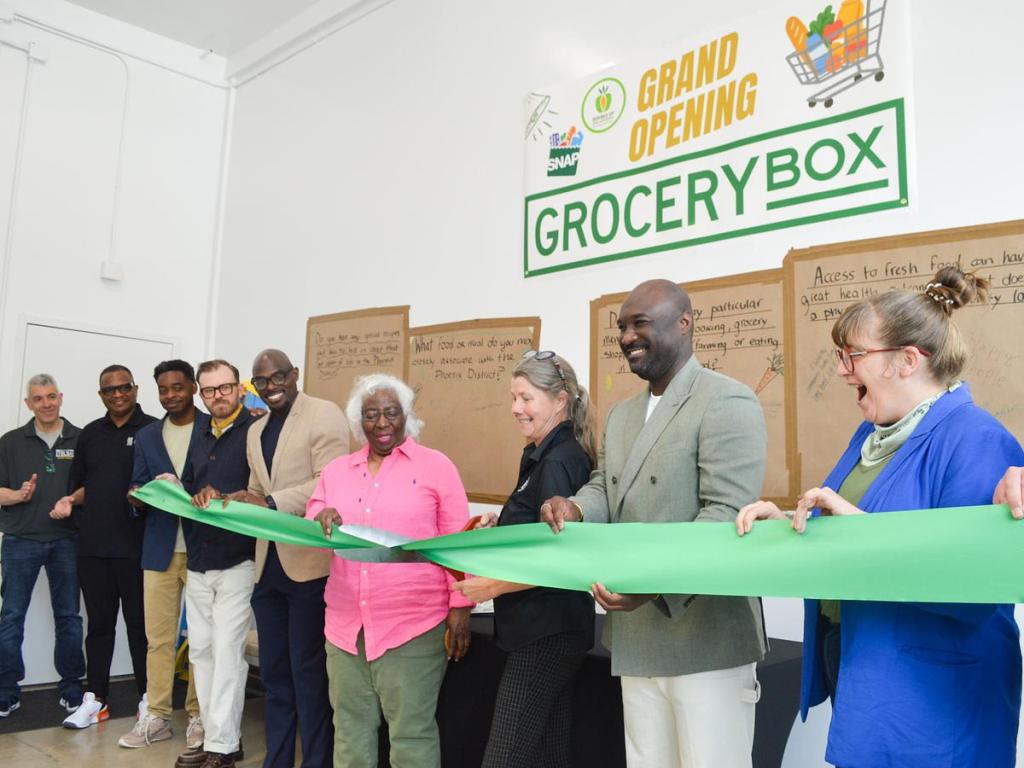
Beginning in late March, three micro grocery stores opened in different areas of town within a two week span — The Bazaar, located in the Dawson neighborhood in northeast Tulsa; the Grocery Box at the Phoenix at 36N Apartments in north Tulsa; and The Chop in northwest Tulsa.
Each micro store had different paths to coming to fruition, but they all had the same mission: Reduce food insecurity across the city.
Bellis told The Eagle that food insecurity is the result of systemic failures.
“(Food deserts are) not a naturally occurring phenomena. It’s something that happens by design, or at least as a byproduct of maybe poor design and in planning or just resources not being invested,” Bellis said.
Challenges to downtown store
Because grocery stores operate on very thin margins, potential developers are selective on where they choose to set up shop.
Mike Dickerson, a controller with the city’s economic development arm PartnerTulsa, said this is the main reason why downtown has been without a grocer for 25 years, with the sole exception of Folks Urban Market. That project lasted for only seven months in 2014.
Historically, downtown Tulsa has been a tough sell to developers due to its design and infrastructure. Dickerson cited a lack of walkability, access to public transit and relatively few residential units as the biggest struggles in reestablishing a grocery store.
“For an urban footprint store, you need walkable rooftops, so apartments, townhomes, condos that are in proximate location to it. Tulsa is more of a driving community,” said Dickerson. “So there’s some hesitancy from several of the known players in that industry to locate here.”
To make the area more appealing to all developers, the city began a push to set up tax increment financing districts across town. Also known as a TIF, the financing tool allows a portion of new tax revenue generated within the district to be reinvested back into what was built. That includes upgrades like roads, sidewalks, lighting and other community improvements.
However, while several projects have been built downtown, none have successfully yielded a grocery store.
Things also got harder once the COVID-19 pandemic hit, when the city lost almost half of its employee foot traffic. Emily Scott, president of Downtown Tulsa Partnership, told The Eagle on any given day downtown sees about 30% less foot traffic than it did in 2019.
But that’s done little to dissuade AJ Johnson, owner and CEO of Oasis, who is banking on community partnerships as the key to success. The grocer held a community gathering in February, where hundreds of attendees made recommendations on what they would like to see in the store.
As the city continues to grow, the push to add new amenities and services likely won’t stop there. PartnerTulsa says its next goal is bringing a pharmacy downtown.
Ismael Lele is a Report for America corps member and writes about business in Tulsa for The Oklahoma Eagle. Your donation to match our Report for America grant helps keep him writing stories like this one; please consider making a tax-deductible gift of any amount today by visiting this link.