Four generations of childhood photos and memories line the entrance of Delynn’s Playhouse, a child care center in north Tulsa. It’s where “love never ends” and learning begins for the neighborhood’s families. Now, its operators say subsidy cuts are threatening those decades of service.
Owner Shameka Smittick opened the business five years ago to honor her mother, Cynthia Delynn Jackson, and their family legacy. In the same home where her grandparents ran Jackson’s Daycare, Smittick and four employees care for 43 children day in, day out.

All those families receive state financial support for child care, but some are still unable to afford monthly copayments. It’s a cost Smittick covers herself, unwilling to turn families away. In five years of operation, she’s had weeks, even months, where she’s unable to pay herself.

“This is what God put me on earth to do, you know, I really love what I do,” Smittick said. “But how much more can I take?”
She says the hits keep coming.
Child care subsidies from Oklahoma’s Department of Human Services have rapidly changed following the government shutdown last fall. A pandemic-era $5 daily add-on for day cares will end in April. Come July, fewer families will qualify for financial help. Households will need to earn 55% or less of the state’s median income to be eligible — a drop from 85% or less.
Even though some federal funding has returned to support children aged 6 to 8, most 9- to 12-year-olds still won’t qualify for assistance.
Carrie Snodgrass, a spokeswoman for the state agency, says the agency does not generate revenue independently and relies on state and federal funds. The agency’s goal, she says, is a “more stable, predictable program that families and providers can rely on today and in the years ahead.”
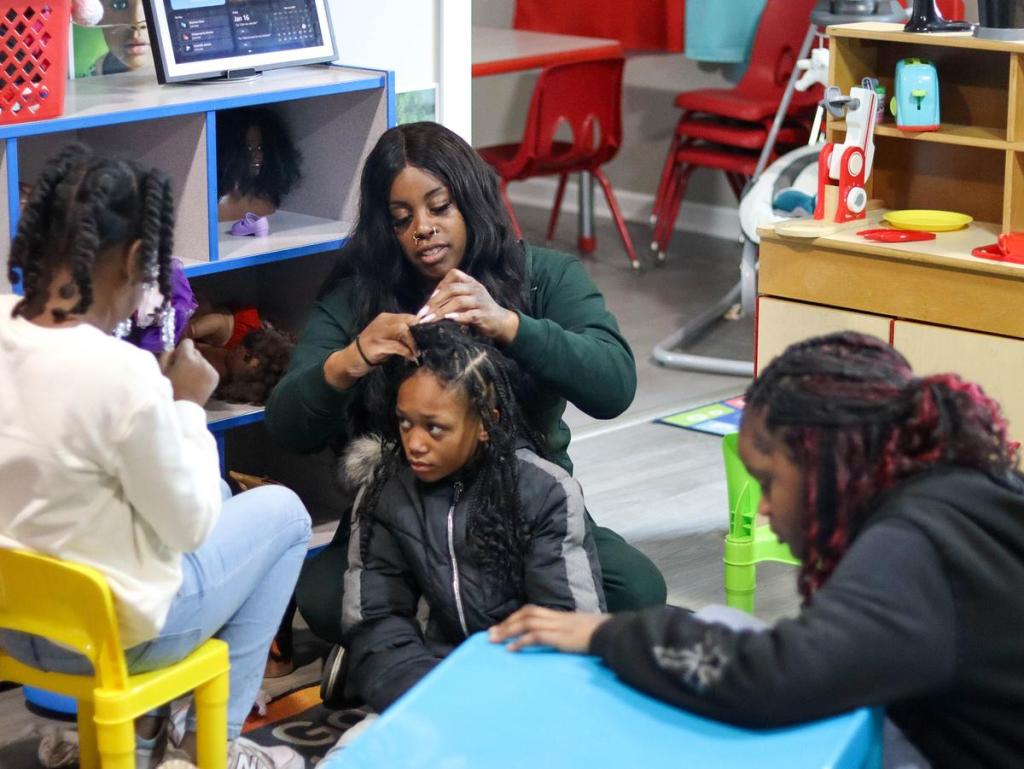
Meanwhile, Smittick and hundreds of other providers in Tulsa are facing hard decisions — charge higher rates or shut the doors. They say it’s a looming crisis. They’re praying for funding to prevent it.
“I don’t even know how we’re staying afloat — by the grace of God,” said Brittany Conley, Smittick’s cousin and an employee at Delynn’s. “Just a little bit of help would go so far in this field, but they want to take, take, take from the people who provide education for children.”
‘Hard to even think about’
Without the $5 add-on, Julie Hood, director of Happy Landing ELC in east Tulsa, estimates there’s at least $100 less per week for supplies and materials children need. She expects prices will have to rise.
Tulsa provider Rachel Macon says she spends around $2,000 any given week on food, equipment and the other necessary expenses to keep her license.
Macon charges $200 weekly for a full day of service, and most of her families are subsidized. She doesn’t want to, but she may have to increase her rates to cover her losses — and she’s already had to let some of her staff go.
“It’s really hard to just even think about,” Macon said. “And with Oklahoma already being (50th) in education, it’s like, do they care about the early learning?”

Three families have already left Wykeyma Crockett’s east Tulsa day care this month, and she knows two more are following suit. All 17 of the children she cares for are supported by subsidies. Most of them are school-aged now, but they started with her as babies.
“It affects me financially, emotionally, because these children are my heart,” she said.
Like many other providers, Crockett operates out of a neighborhood home but lives elsewhere, paying bills for both buildings. She drained her savings after subsidy cuts to cover housing expenses. She doesn’t charge anything extra for families, taking only what DHS pays her — $17.40 per school-age kid, per day.
Crockett doesn’t know what to do besides look for a second job. She has three kids of her own to take care of.

‘More than just babysitters’
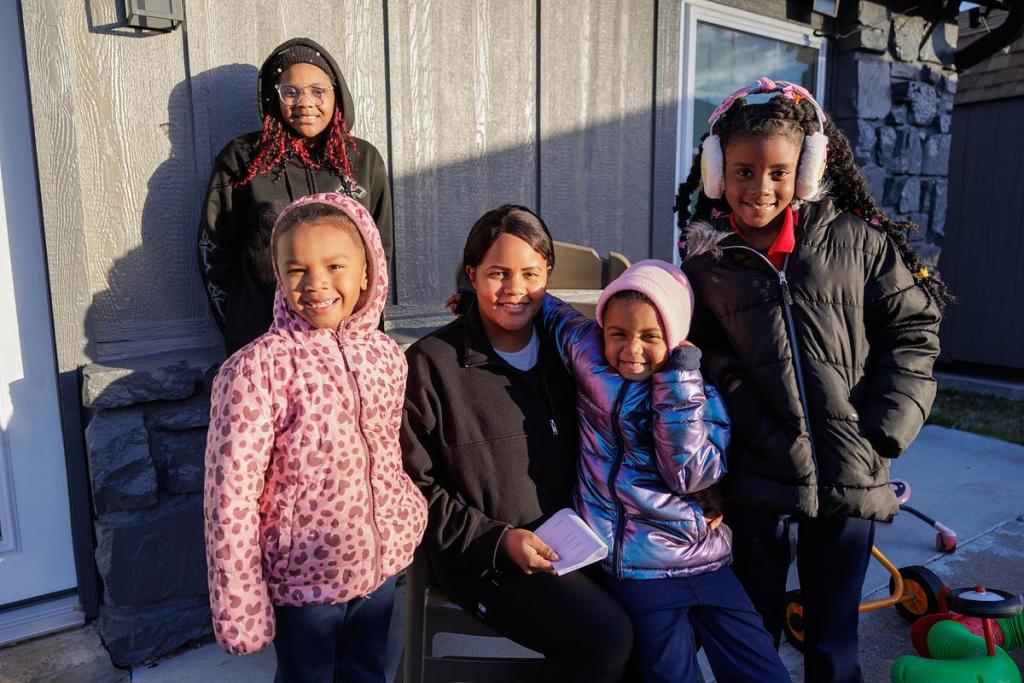
Home-based child care centers in north and east Tulsa neighborhoods help create a “village” for families, said Taleece Cherry, a single mom with four kids.
She’s sent her children to Crockett’s day care for the last seven years. A quarter of her monthly income already goes to day care, and she’ll have to pay more in July.
“I don’t know how much further I can squeeze at this point,” she said.
She calls Crockett’s center the “missing piece to the puzzle” and the glue holding things together. She’s praying to God something comes through.
Crockett says providers are so much more than “just babysitters.” To Smittick, they’re “safe havens.”



At Delynn’s Playhouse, staff see 4-year-olds enter day care without early literacy skills, some unable to identify letters or colors. On any given day, their job ranges from teaching motor skills and Spanish to feeding kids and providing basic necessities like coats and shoes.
Without these services, Smittick says communities will see “lost kids” in their neighborhoods.
“It’s like losing the frontline in the Army, you have no one left to fight,” said Conley, Smittick’s cousin and employee. “Once the frontline is gone, our community is gone.”
News decisions at the Tulsa Flyer are made independently of our board members and financial supporters. Read more about our editorial independence policy here.