


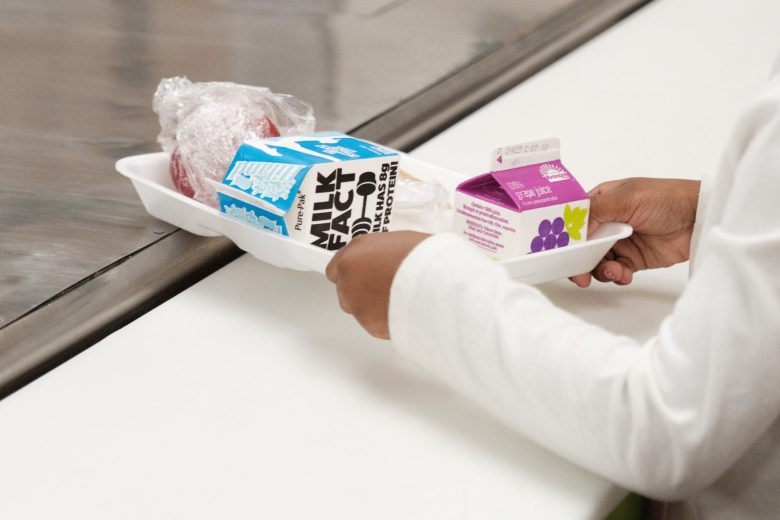
Tulsa Public Schools is ending its partnership with an outside child nutrition contractor and bringing the program back in-house after students went to the school board to complain about their cafeteria meals.
While TPS prepares to launch a new, self-operated program for school meals, the district plans to renew its contract with Aramark on a short-term basis. District leaders made the announcement Friday in a statement.
“Over the past year, the district and Aramark have worked collaboratively to establish a program that serves the needs of all involved,” reads the district’s statement. “Despite our efforts, together we have determined that the best path forward is to transition our child nutrition program back to district self‐operation.”
TPS provides universal free breakfast and lunch to all students in the district. It first contracted with Aramark for child nutrition in June 2024. That partnership drew public pushback from support staff members when it was renewed last spring.
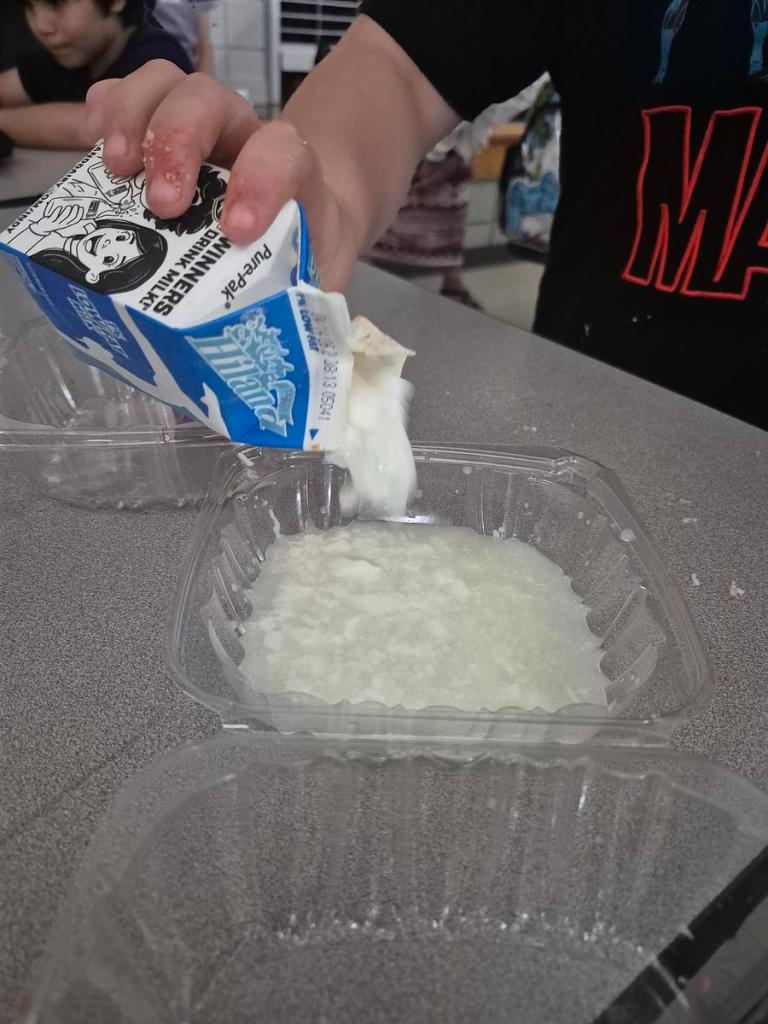
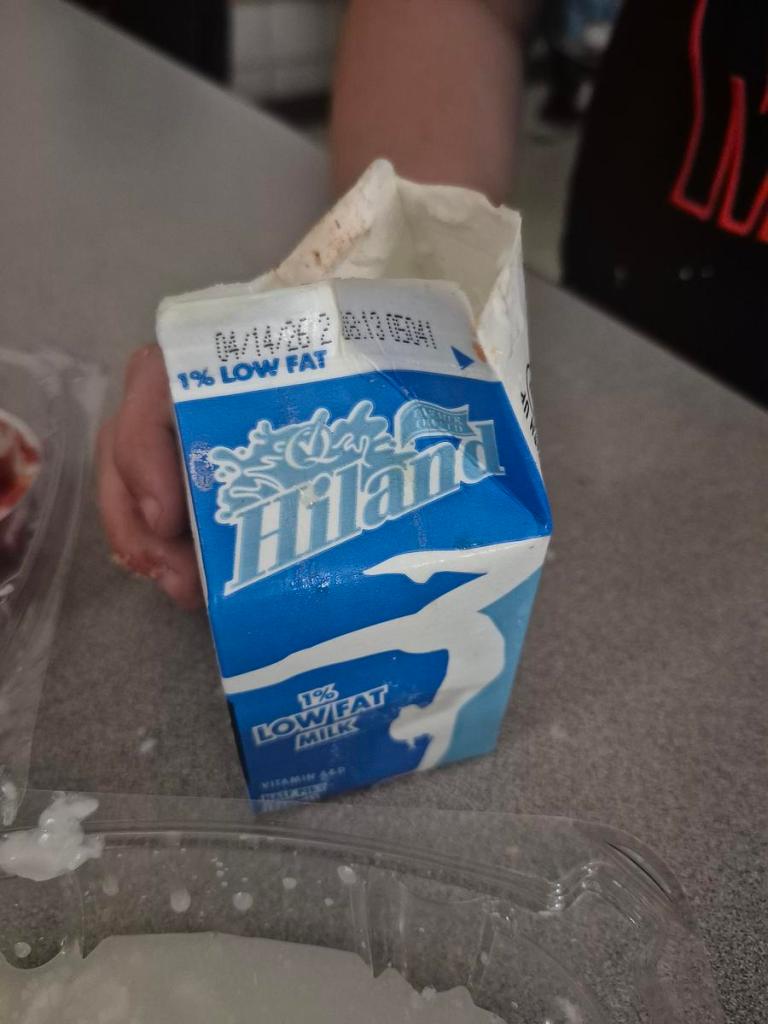
Students at two elementary schools took their concerns to the school board this spring, reporting cold meat and chunky milk.
Credit: Courtesy Ariana Hernandez Carrasco
The district’s current contract with Aramark runs through June 30. That contract reflects a $2.52 fixed-priced per-meal rate paid to Aramark this school year. It is unclear how shifting to in-house operations will impact the district’s budget.
Last school year, the district saw more than $2.5 million of surplus in its child nutrition fund, meaning TPS brought in more revenue on nutrition than it spent, according to budget documents. This school year, the amended budget projects $30.4 million in child nutrition expenses and only $500,000 in surplus.
In Aramark’s 2024 proposal to the district, it guaranteed a $4.25 million surplus budget for the food service program in the 2024-25 school year and committed to “reconciling the financial needs of Tulsa Public Schools.”
“Aramark came in and made some big promises and I think with great intentions. I don’t think the execution went off as well as students would like,” said John Croisant, TPS board member. “In the end, we want to make sure that we’re feeding children. And if they throw away the majority of the food then we’re not feeding them, so that’s not a very good return on investment.”
Kyle Boone, a district spokesman, says the board will have to finalize the decision. The district did not provide specific information about the length of the short-term contract or how students’ concerns informed the decision, though Boone said stakeholder feedback was a component. A board discussion on the renewal could come as soon as Monday.
“When I hear from students, they’re not happy. When I’ve heard from staff in cafeterias, they’ve also given me similar feedback,” said Croisant. “So I’m sure that’s what the district has listened to and they’re going to try to find something that works.”
Calvin Moniz, vice president of the TPS school board, said he’s received “consistent messaging” from students, families and staff over the last six months about the district’s food and Aramark. He promised Kendall-Whittier Elementary students he would not run for reelection if school meals didn’t improve.
“I’m looking forward to reviewing the district’s proposal,” Moniz said. “And, I’m grateful to not only the district administration, but to our child nutrition team and to the leadership of (American Federation of Teacher Local 6049) for working together for a solution that best serves our students, family and community.”
Following the May 4 school board meeting, the Flyer requested meetings with top district operations officials and cafeteria managers to discuss the partnership with Aramark, student concerns and details of the child nutrition program. District officials declined to facilitate them.
This story has been updated with contract information and comments from TPS. It will be updated as more information comes in.
News decisions at the Tulsa Flyer are made independently of our board members and financial supporters. Read more about our editorial independence policy here.
