


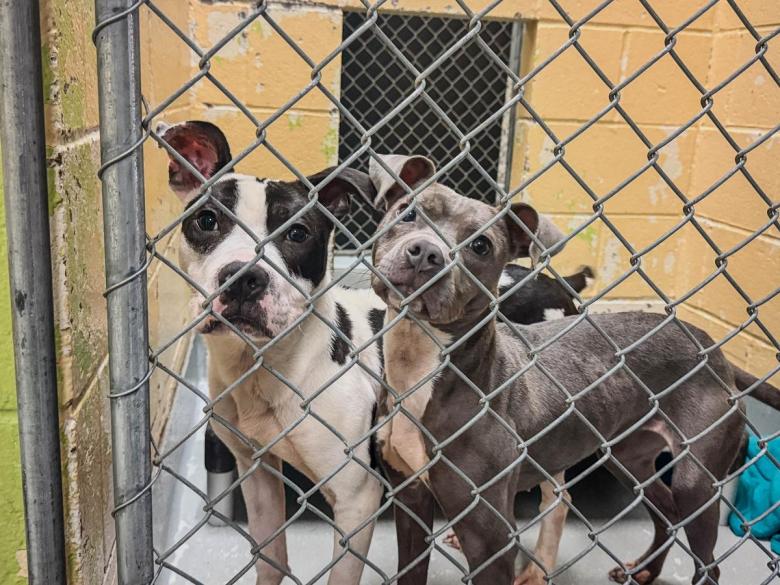
Misty Roach is frustrated with Tulsa’s animal shelter. Since mid-January, data shows the shelter euthanizes an average of 18 animals a week. Now, Roach is urging city leaders to shift more funding to prevention, law enforcement and spay-and-neuter programs.
During a March 9 Tulsa Animal Welfare Commission meeting, Roach outlined a five-point proposal she said could reduce shelter intake and hold backyard breeders accountable.
“We’re currently planning a larger facility, but we’ve got to be honest,” she said, referencing the city’s new $13.8 million shelter expected to open this fall. “If we continue using the same model we’ve been using, a bigger building will only make the crisis worse.”
The five pillars of her approach are:
- Cracking down on backyard breeders
- Enforcing spay and neuter laws
- More city-sponsored clinics
- Increasing transparency
- Mayoral oversight with key measurements
“Tulsa has the capacity to lead animal welfare, but leadership does require measurable results,” Roach, who has lived in the city for about a year, said. “Our concern is not about individuals. It’s about outcomes.”
City ordinances already mandate sterilization of pets, which is meant to curb the overpopulation crisis at its source. But Roach said the laws are not being enforced.
“That means turning off the faucet of illegal backyard breeding and noncompliance with spay-and-neuter laws,” she said, pushing leaders to move from warnings to enforcement.
Tulsa Animal Services Director Sherri Carrier said when breeders are reported, they do investigate.
“We just got a new ordinance passed through City Council last week … that addresses commercial breeding and provides a maximum penalty of $1,200 fine and six months in jail. We will enforce this when violations occur,” Carrier said. She also said the shelter has an 85% live release rate.
Resident Patty Mandrell said evidence of noncompliance with spay-and-neuter laws are seen every day at the shelter, where 85% to 90% of the intakes are not sterilized. Nonprofit animal rescues can’t handle all of the sterilization needs, which is a clear indication that Tulsa should fund more clinics, she said.
“It needs to come from the city, not agencies doing 25 animals every two or three weeks,” Mandrell said.
TAS also investigates allegations of animal cruelty or abuse. Residents can anonymously report via cruelty@cityoftulsa.org or by calling 918-596-8001.
Roach said city officials have invited her to further discuss her ideas, which she called an encouraging sign.
