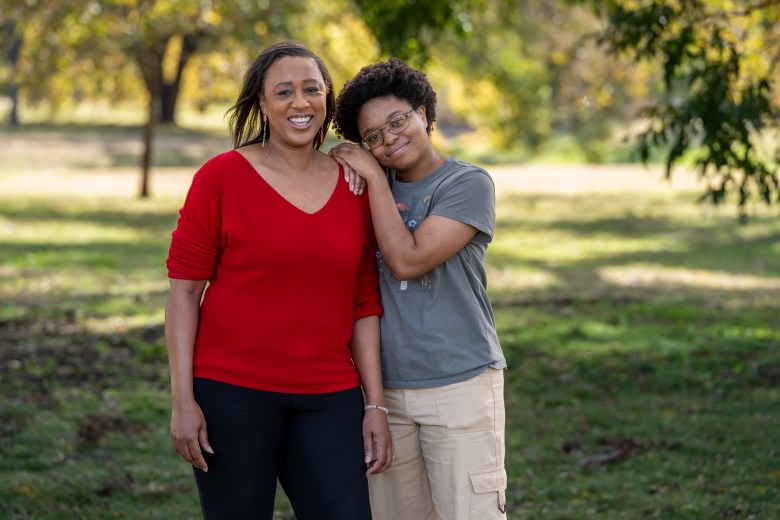
Destiny Sandifer was 17 years old when she first had a mental health crisis in 2023. Sandifer didn’t recognize she was suicidal, but her friends did and called the police.
“And they should have,” she said. “That’s when I got on medication and finally started to turn things around.”
Public health organizations have reported a rise in mental illness among kids ages 3 to 17. It was exacerbated by the COVID-19 pandemic, causing major medical associations to declare in 2021 a national state of emergency in child and adolescent mental health.
Sandifer said older generations don’t fully understand the impact of the pandemic and other stressors, such as the fear of school shootings. She worries that in the effort to destigmatize mental illness, normalizing the symptoms among youth downplays the severity.
“They think that it’s not a huge deal, and then they end up having suicidal thoughts and things like that, because they’re not getting the help that they need,” she said. “It’s something that needs to be dealt with in the best way possible — therapy, medication, whatever that might be.”
The Healthy Minds Policy Initiative reported that 15% of Tulsa youth ages 12 to 17 experienced a major depressive episode in 2024, according to executive director Zack Stoycoff. The upward trends led to Parkside Psychiatric Hospital & Clinic increasing its capacity for youth inpatient cases.
“We realized we were missing a key part of our behavioral health continuum of care,” Stoycoff said. “We saw children and youth have a spike in need. Some of that showed up in more than doubling the number of children who were appearing in emergency rooms in Tulsa with behavioral health issues.”
Stoycoff worked with the city of Tulsa to coordinate a federal grant to create a system of care to fill that gap through the Children’s Mental Health Initiative.
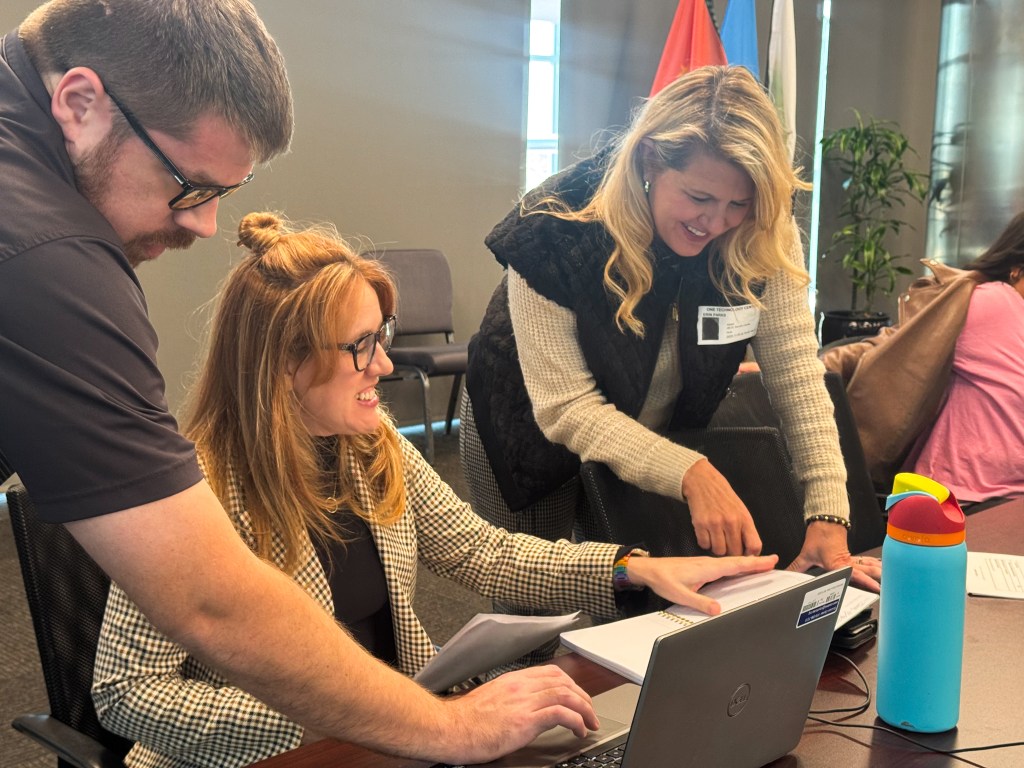
Now in its third year, Children’s Mental Health Initiative Project Director Amy McGehee told The Eagle 500 families have been served through the network. More than 250 mental health providers have been trained, and emergency room visits for psychiatric treatment have dropped by more than 30%.
“It’s easy to think that it’s not a crisis unless a child is threatening their own life or behaving in a violent way. But it starts far before that,” McGehee said.
She said their goal is to be proactive with family outreach. That includes responding to calls in schools or encouraging people to use the 988 lifeline.
Sandifer said giving herself time to heal took patience. She feels better adjusted on medication and is now working two full-time jobs and taking martial arts classes.
“I’m pretty comfortable where I am,” she said.
Sandifer has since encouraged her mom, Felisha, to join Tulsa’s Youth Advisory Council as a way to make a difference.
“If I can contribute to making a better system, then a family coming behind me might have a better experience than I’ve had,” Felisha said.